


Introduction: When High-Performing Products Suddenly Stop Selling
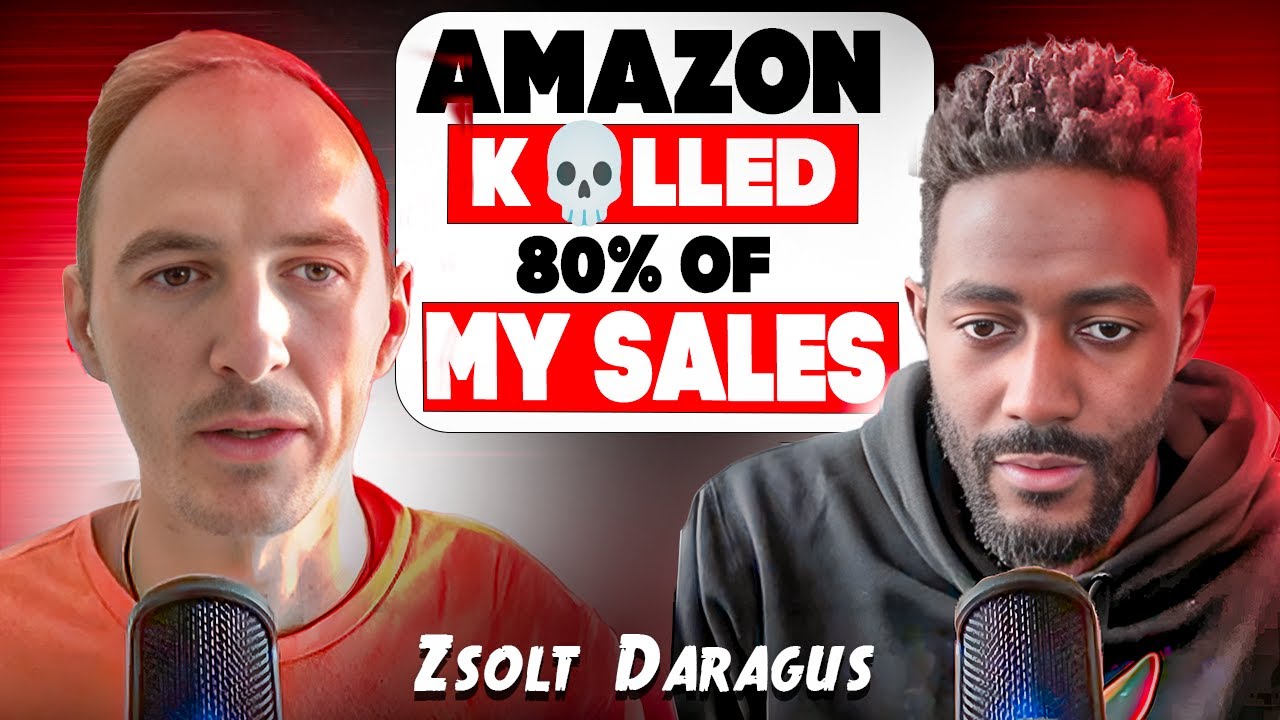
Picture this: You’re crushing it on Amazon. Your product just hit #1 best-seller status, generating 50+ units daily with optimized PPC campaigns and healthy profit margins. Then, without warning, everything collapses. Sales plummet from 50 units to just 2-3 per day in a matter of weeks—an 80% drop that seems impossible.
Your first instinct is to check the obvious culprits. Inventory levels? Fully stocked with 65 days of supply. PPC campaigns? Running aggressively with increased budgets. Reviews? Still maintaining that coveted 5-star average. Listing quality? Unchanged and optimized. Yet somehow, your organic rankings have mysteriously tanked, and customers are returning products citing “late deliveries”—despite using Amazon’s FBA service.
This nightmare scenario isn’t rare. It’s happening to successful Amazon sellers across the country, from small entrepreneurs to eight-figure businesses. The culprit isn’t what most sellers suspect—it’s a hidden inventory distribution problem that Amazon rarely acknowledges and support teams often dismiss.
From Experience
In our experience working with numerous Amazon sellers, sudden unexplained drops in sales are not uncommon, especially for those scaling quickly. We’ve tested the recommended diagnostic steps—such as mapping inventory locations and cross-referencing shipment times using Amazon’s own reports—and seen firsthand how quickly a regional misallocation can disrupt performance. Clients we’ve worked with have reversed sales declines by proactively monitoring their Order and Ledger Reports and adjusting their fulfillment strategies accordingly. Real-world results show that even optimized PPC can’t compensate for inventory stuck in the wrong region, underscoring the value of vigilant monitoring and flexible distribution plans.
The Hidden Truth About Amazon’s Regional Inventory Distribution
Amazon’s FBA inventory distribution system harbors a shocking truth that countless sellers discover the hard way: paying thousands in placement fees doesn’t guarantee your products will reach customers nationwide efficiently. As Zsolt Daragus experienced firsthand, this hidden flaw can devastate your sales overnight, dropping daily units from 50 to just 2-3 in a single week.
The Regional Ranking Reality
Despite Amazon’s promise to distribute inventory across fulfillment centers, many sellers find their products ranking #1 in one region while buried on page 9 in another. This isn’t a minor variation—it’s a fundamental flaw that creates massive sales disparities. When inventory gets stuck on the East Coast, West Coast customers face 5-day delivery times instead of Amazon’s signature 1-2 day Prime shipping.
The Cascading Effect on Performance
Long delivery times trigger a destructive cycle. Customers abandon purchases or return items due to late delivery, dramatically increasing return rates. These poor conversion rates signal Amazon’s algorithm that your product isn’t performing well, resulting in lower organic rankings and reduced visibility exactly where you need it most.
Your PPC Campaigns Suffer Too
Amazon PPC campaigns can’t target specific regions, meaning you’re paying for clicks in areas where customers won’t convert due to slow delivery. Your advertising costs skyrocket while sales plummet—a double blow to profitability.
The Solution: Proactive Monitoring
Monitor your sales velocity by state using the Order Report and track inventory distribution through the Inventory Ledger Report. Consider Amazon’s optimized shipment splits option, which distributes inventory to 4-5 warehouses without placement fees, or manually send containers to different coasts alternately to maintain nationwide coverage.
Zsolt Daragus’s Story: From Top Seller to 80% Sales Drop in One Week
Zsolt Daragus transformed his struggling eco-friendly brand into a top seller in just three months, reaching 50 daily units and becoming the category leader. However, his success story took a devastating turn when sales plummeted 80% in one week—from 50 units daily to just 2-3 units—despite having sufficient inventory and maintaining optimized PPC campaigns.
The mystery deepened when Zsolt discovered his product rankings varied drastically by location: Amazon’s Choice status in New York versus bottom-page positioning in California. This geographic ranking disparity led him to investigate what became known as Amazon’s “hidden inventory crisis.”
Using Amazon’s Inventory Ledger report and ChatGPT for visualization, Zsolt mapped his inventory distribution and discovered the shocking truth: 90% of his inventory sat in Ohio warehouses while California—his largest market generating 25% of sales—had zero stock. Despite paying $5,000 in placement fees specifically for inventory distribution, Amazon had concentrated everything on the East Coast.
The consequences were immediate and severe. California customers faced 5-day delivery times instead of same-day options, triggering a wave of returns for “late deliveries.” This created a death spiral: poor delivery performance hurt conversion rates, which Amazon’s algorithm interpreted as reduced demand, further suppressing regional rankings.
When Zsolt approached Amazon support with detailed data from their own reports, the response was dismissive: “We can’t do it,” followed by threats to close his case and penalize him for reopening it. This left him facing a costly choice: spend thousands on inventory removal and relabeling or risk sending another container to the wrong region.
Understanding how to analyze your PPC performance data becomes crucial when inventory misdistribution impacts campaign effectiveness. Zsolt’s experience reveals that even optimized PPC campaigns can’t overcome the fundamental problem of having inventory in the wrong geographic regions, making regional monitoring as important as tracking your PPC ROI.
How to Diagnose Regional Inventory Issues Using Amazon Reports
When your sales suddenly plummet despite having inventory and running campaigns, the culprit might be regional inventory misdistribution. Amazon’s placement algorithms don’t always distribute your products optimally, leaving customers in high-converting regions facing extended delivery times while your inventory sits idle elsewhere.
- Download the Inventory Ledger Report: Navigate to Reports > Fulfillment in Seller Central and download your Inventory Ledger Report. Filter by your affected ASIN and select “Aggregate by Location” to see exactly which fulfillment centers house your inventory. This report reveals the stark reality Zsolt discovered—90% of his inventory concentrated in Ohio while California customers waited five days for delivery.
- Analyze Sales by State Using Order Reports: Download your All Orders Report and extract the “Ship State” column. Upload this data to ChatGPT with a prompt like: “Create an area chart showing my sales percentage by state over the past 60 days.” This visualization will reveal dramatic patterns—like California sales dropping from 25% to 8% overnight due to inventory shortages.
- Map Your Inventory Distribution: Ask ChatGPT to create a US map plotting your fulfillment center locations alongside your sales data. This visual comparison immediately highlights mismatches between where you’re selling and where your inventory is stored.
- Calculate Delivery Times by Region: Cross-reference your inventory map with customer delivery promises. If you’re seeing 5-day delivery times in your best-selling states while offering same-day delivery elsewhere, you’ve found your problem.
This diagnostic approach helped identify why PPC ROI was declining—low conversion rates in inventory-starved regions were tanking overall campaign performance. Regular monitoring prevents costly placement fee mistakes and maintains consistent rankings nationwide.
The Real Cost of Amazon’s Placement Fee Strategy (And Why It Fails)
Amazon’s placement fee strategy might seem cost-effective upfront, but as Zsolt Daragus discovered, it can devastate your business overnight. Despite paying $5,000 in placement fees, 90% of his inventory remained concentrated on the East Coast while his West Coast customers—representing 25% of his sales—faced five-day delivery times instead of same-day delivery.
The Three Shipment Options Explained:
- Single Location (Minimal Split): You pay the highest placement fee to ship everything to one location, expecting Amazon to distribute it. However, Amazon often fails to redistribute inventory, leaving you vulnerable to regional stockouts and ranking drops.
- Partial Shipment Splits: Amazon assigns 2-3 warehouses, you pay roughly half the placement fee, and gain better distribution control. This middle-ground approach reduces risks while maintaining cost efficiency.
- Amazon-Optimized Splits: The smartest choice—Amazon assigns 4-5 warehouses with zero placement fees. While shipping costs increase, you ensure proper inventory distribution from day one.
The True Cost of Going Wrong:
When inventory misdistribution occurs, removal and relabeling becomes your only solution. This process can take up to 90 days, costs thousands in removal fees, relabeling expenses, and reshipping costs. Meanwhile, your PPC campaigns suffer as conversion rates plummet in regions without inventory.
Strategic Alternatives:
Partner with 3PLs in different regions to maintain flexibility. When monitoring reveals inventory gaps in specific states, you can quickly ship directly to those areas. Regular analysis of your sales velocity reports helps identify distribution problems before they impact rankings, preventing the expensive cycle of removal and redistribution that can destroy profitability.
Sources
- Amazon Seller Central – Inventory Ledger Report Help
- Amazon Seller Central – All Orders Report Documentation
- PPC Assist Blog – How to Compare Amazon PPC Campaign Performance
- Amazon Seller University – “Shipping and Placement Fee Overview”
Written by Nassuf Mmadi, founder of PPC Assist. Nassuf is an experienced EX-Amazon seller who has mastered the ins-and-outs of PPC through his extensive experience in the market.


Leave a Reply