


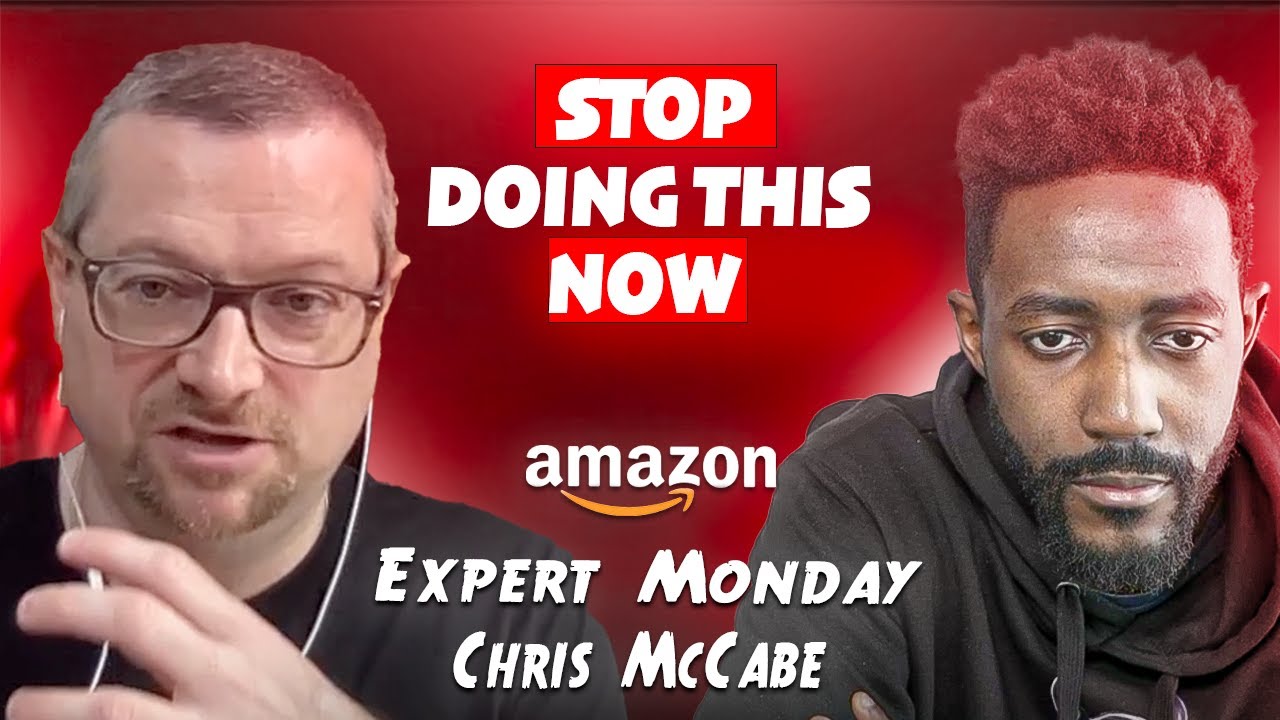
Introduction: Why Amazon Sellers Are Getting Suspended More Than Ever in 2025
Amazon seller suspensions have reached alarming levels in 2025, with policy enforcement becoming stricter than ever before. Chris McCabe, who spent six years on Amazon’s seller performance and policy enforcement teams, reveals a troubling reality: “There are a lot of marketing approaches or methods that get people suspended.”
What makes the current landscape particularly challenging is the intensified competitor reporting system. McCabe warns that “competitors are taking screenshots of all this stuff and reporting it to abuse teams,” turning every purchase into a potential compliance audit. This means that when someone buys your product, it could be a competitor actively searching for policy violations to report.
The enforcement has evolved beyond traditional review manipulation. Sellers are now getting suspended for activities they thought were compliant, such as using QR codes that offer free products without explicitly asking for reviews. Amazon’s updated interpretation considers any incentive that makes customers “more likely to leave a positive review” as against the rules, regardless of whether you directly request feedback.
McCabe’s unique perspective as a former Amazon insider puts him in an ideal position to help sellers navigate this treacherous environment. Having processed thousands of appeals from the inside, he understands exactly what Amazon’s teams are looking for and what causes automatic rejections.
The misconceptions run deep. Many sellers still believe they can safely offer incentives as long as they don’t directly ask for reviews—a belief that’s leading to widespread suspensions. With Amazon’s policy interpretation becoming increasingly conservative, even established sellers with clean histories are finding themselves at risk.
This new reality demands a proactive approach to compliance. Understanding proper advertising strategies and maintaining strict policy adherence has become essential for survival on the platform.
From Experience
In our experience working with Amazon sellers, we’ve seen firsthand how even well-intended marketing strategies can trigger unexpected suspensions. Clients we’ve worked with are often surprised to learn that what once passed as standard practice—such as including a QR code for a simple e-book or offering small gifts—now leads to immediate account scrutiny. Real-world results show that routine policy reviews and documented appeal timelines make a significant difference in both prevention and successful reinstatement. The sellers who proactively monitor their account health and follow precise appeal guidance are the ones who recover swiftly and maintain seller privileges long-term.
The Most Common Mistakes Leading to Amazon Account Suspension (Chris McCabe’s Expert Insights)
Chris McCabe, former Amazon executive team member specializing in seller appeals, reveals alarming trends in account suspensions. His insights from working on Amazon’s enforcement side for six years—and consulting sellers for over a decade—expose critical mistakes that sellers continue making.
The Most Dangerous Violation: QR Codes
QR codes inserting customers into marketing funnels represent the highest risk category. “We’re seeing 6-8 weeks of suspensions for QR codes putting buyers into sales funnels,” McCabe explains. Even codes offering legitimate resources like e-books trigger violations because they collect personal information—which Amazon considers manipulation attempts.
Product Inserts: The Hidden Trap
Traditional review-requesting inserts are well-known violations, but sellers miss the broader scope. Any insert directing customers to external content or requesting contact information violates Amazon’s community guidelines. Sellers focusing on automation tools often overlook these compliance basics.
The “Free Gift” Misconception
McCabe identifies a critical misunderstanding: “Sellers think they’re safe if they don’t ask for reviews—just give away products or accessories. That’s incorrect.” Amazon considers any incentive that makes customers “more likely to leave positive reviews” as manipulation, regardless of whether reviews are explicitly requested.
Competitor Reporting
The enforcement landscape has shifted significantly. “Competitors take screenshots of violations and report them to abuse teams,” McCabe warns. Every customer interaction could be a competitor documenting compliance failures. This reality makes proactive policy adherence essential for business survival.
These violations stem from outdated conference advice and education gaps. Understanding current Amazon policies protects accounts from suspension triggers that many sellers unknowingly activate through seemingly innocent marketing practices.
How to Write an Effective Amazon Appeal That Actually Gets Read
When Amazon receives hundreds of appeal emails daily, yours needs to stand out from the sea of generic templates and AI-generated content. Chris McCabe, former Amazon executive, emphasizes that most sellers make critical mistakes that guarantee rejection: they use ChatGPT templates, send emotional appeals, or fail to provide concrete data.
The Formula for Appeals That Get Read:
Start with a bulleted timeline showing your escalation path. Include specific dates: when you appealed through Seller Central, which teams you contacted, and what responses you received. Amazon executives want facts, not excuses.
Essential Elements:
- Financial impact: State exact dollar amounts (“losing $5,000 daily for 7 days = $35,000”)
- Specific rejection reasons: Don’t accept generic responses—demand to know why appeals were rejected
- Screenshots as attachments: Keep the email body concise, attach supporting evidence separately
- Direct action request: Clearly state what you want them to do
What Amazon Ignores:
- Emotional language and apologies
- ChatGPT-generated content (it looks like spam)
- Long, rambling explanations
- Generic seller support appeals sent repeatedly
The key is positioning your escalation as necessary because standard channels failed. Write like you’re reporting to a busy executive: data-driven, concise, and actionable. Your email should answer “why are you telling me this?” before they ask.
Maintaining consistent performance across all aspects of your Amazon business becomes crucial when navigating account health issues. Focus on facts, provide specific timelines, and eliminate fluff—this approach transforms rejected appeals into successful reinstatements.
The Right Way to Escalate Your Amazon Appeal (Beyond Seller Central)
When Seller Central appeals repeatedly fail with copy-paste rejections, escalation becomes essential. As Chris McCabe reveals in the interview, most suspension cases require executive-level intervention rather than endless circular appeals through standard channels.
When to Stop Using Seller Central
Stop appealing through Seller Central after a maximum of two attempts if you’re receiving identical rejection responses. Chris emphasizes getting specific rejection reasons from Account Health Services teams before continuing. If you’ve appealed “five times with the same answer every time,” you’re wasting valuable time and potentially guaranteeing further rejections.
Finding the Right Executive Contacts
Executive escalation paths vary by marketplace. For UK sellers, the managing director publicly shares escalation emails on LinkedIn posts when responding to seller complaints. US escalations typically route through Seattle, where senior management and decision-makers are located. The key is matching your marketplace to the appropriate regional executive contact.
Rewriting Your Appeal for Executives
Generic Seller Central appeals won’t work for executive escalation. Chris stresses creating concise, data-driven communications structured as bulleted timelines:
- Document previous appeal attempts with dates and responses
- Include daily revenue loss figures ($3,000–$10,000+ per day)
- Provide screenshots as attachments, not inline
- Remove emotional language and “fluff”
- Clearly state what action you need
The Executive Email Formula
Effective executive escalations follow this structure: “This is where we sent it. These are the answers we got back.” Include specific financial impact and timeline data. Make it clear you’re forced to escalate due to circular responses, not impatience.
Remember, executives receive numerous escalation emails daily. Standing out requires professional brevity and actionable information that demonstrates you’ve exhausted standard channels appropriately.
Proactive Account Health Strategies to Prevent Future Suspensions
According to Chris McCabe, former Amazon executive, the key to avoiding suspensions lies in proactive monitoring rather than reactive crisis management. “Most people come to us when they’re already at risk of being suspended,” he explains. “It’s better if they hire us before, so they’re not at threat of suspension already.”
Regular Account Health Assessments
Conduct monthly reviews of your account health dashboard, focusing on performance metrics like Order Defect Rate, Late Shipment Rate, and Valid Tracking Rate. Amazon’s enforcement has become increasingly strict in 2025, with clearer policies but stricter enforcement.
Performance Notification Management
Don’t ignore performance notifications—resolve them immediately. McCabe emphasizes getting specific rejection reasons rather than generic answers: “You can’t keep submitting new appeals until you know why the last appeal was rejected.” Document each notification with screenshots and track resolution timelines.
Listing Compliance Reviews
Audit your product listings quarterly for policy violations. Remove risky elements like QR codes that funnel customers off-platform, review manipulation tactics, or promotional inserts. “Anytime somebody buys from you, understand it could be a competitor looking for violations,” McCabe warns.
Competitor Protection Strategy
Since competitors actively report violations with screenshots, ensure your marketing strategies are bulletproof. Avoid giving away products or incentives that could influence reviews, even if you don’t explicitly ask for them. As McCabe notes: “Anything that makes them more likely to leave a positive review is considered against the rules.”
For comprehensive account monitoring, consider implementing automation tools that track performance metrics and alert you to potential issues before they escalate to suspensions.
Sources
- Amazon Seller Central – Official policies on Account Health and Seller Performance
- Chris McCabe (eCommerceChris.com) – Former Amazon Seller Performance Investigator; recognized Amazon account suspension expert
- Amazon Community Guidelines – Official rulebook for product inserts, review manipulation, and customer communication
- PPC Assist Blog – Guides on Amazon PPC automation and account strategies


Leave a Reply